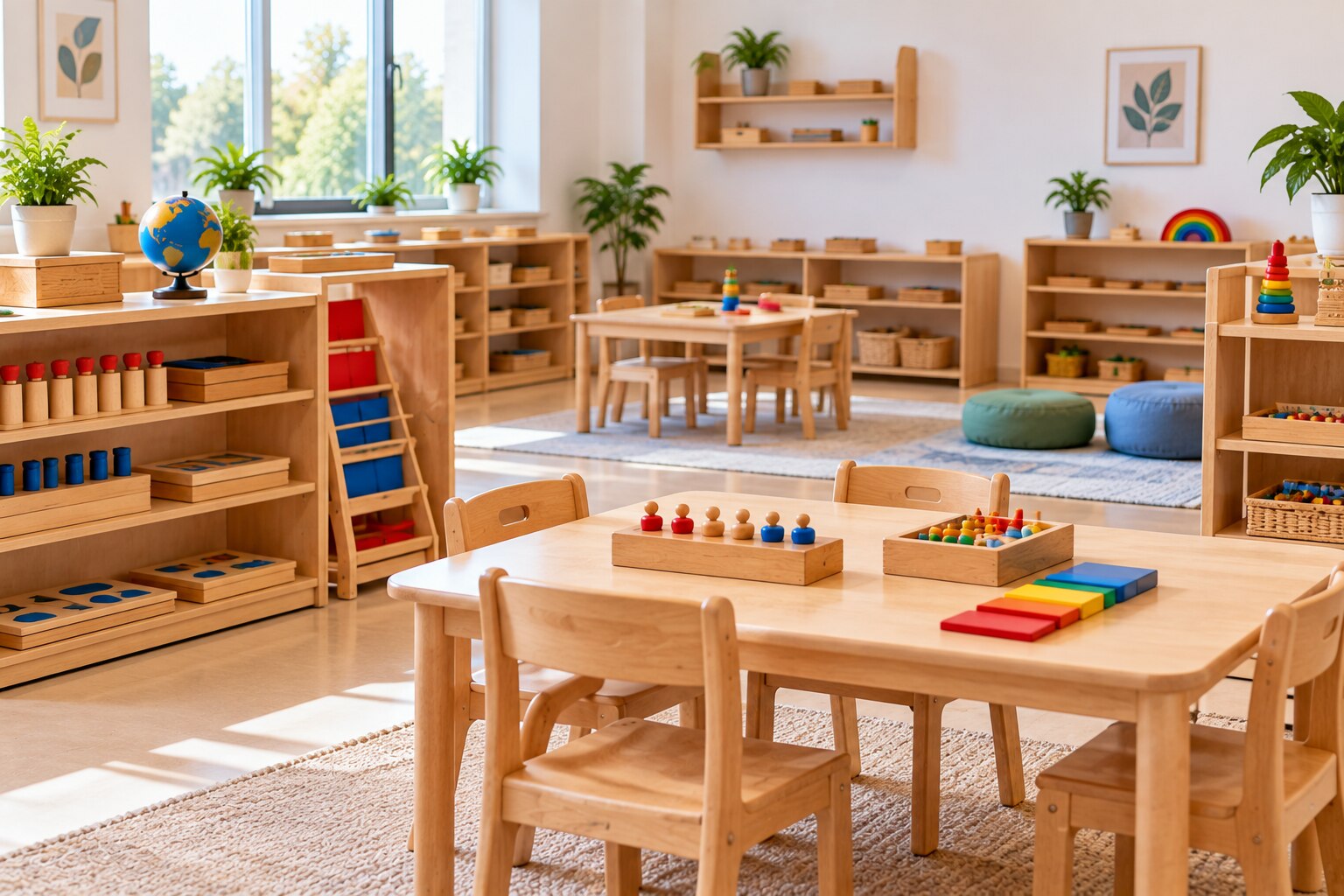
Independent learning depends on more than placing low shelves and small chairs in a classroom. You will be able to assess whether furniture lets a child choose work, carry it safely, complete it without unnecessary help, and restore the room for the next activity.
Key takeaways
- Choose furniture children can reach, carry, use, and restore without adult help.
- Keep pathways clear so children can move between shelves, tables, and practical-life areas.
- Use low, open shelves to limit choices without blocking purposeful decision-making.
- Compare stability, proportions, cleanability, and repair needs before buying.
What independence means in a Montessori environment
A child should be able to approach a shelf, choose work, carry it to a usable surface, complete the task, and return every piece without routinely waiting for an adult. That sequence defines Montessori independence: managing a purposeful work cycle from selection to restoration, not merely sitting at child-sized furniture.
In a prepared environment, furniture supports independent learning by removing avoidable reaching, lifting, and navigation barriers.
- See and select a material from an open shelf arranged in a stable order.
- Lift, carry, or transport the material using a manageable tray, handle, or basket.
- Position a chair or work mat without blocking another child’s route.
- Use the material and manage simple spills or adjustments safely.
- Return each item to its marked location and leave the workspace ready.
- Approach, turn, and reach from a wheelchair, walker, or other mobility aid.
Open shelving cannot replace instruction. An adult first demonstrates each routine, observes readiness, and reduces help while keeping a finite set of developmental-appropriate choices available; too many materials can weaken concentration. “Child-sized” is not enough: stable foot support, elbow position, clearance, and accessible-height alternatives matter, with chair and table dimensions checked against EN 1729-1.
Furniture supports access, but it does not independently cause better learning outcomes.
How size and construction affect everyday access
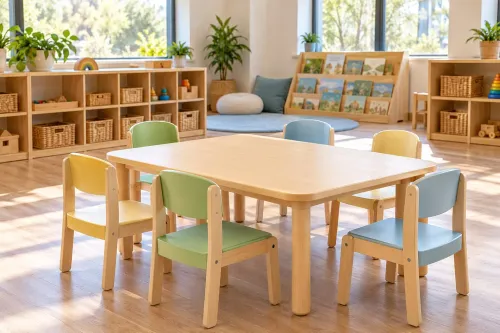
A child aged three to six needs furniture that fits the body they have today, not an average child. Feet should rest fully on the floor, knees should fit beneath the table, and elbows should reach the work surface without raised shoulders.
Check chair and table dimensions against EN 1729-1, which defines functional sizes for educational furniture; EN 1729-2 covers safety requirements and test methods.
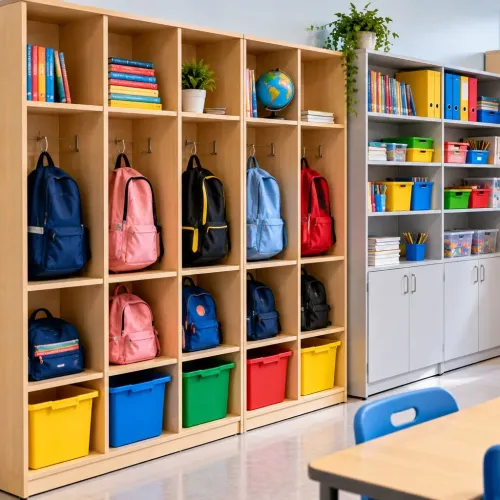
- Choose child-height shelves with open fronts, visible contents and a depth that lets children retrieve items without leaning dangerously.
- Select tables and chairs with stable bases, rounded edges, washable surfaces and enough clearance for a child to sit down and stand up independently.
- Test handles, trays and containers for a secure grip; excessive weight turns carrying work into an adult task.
- Reject hinges, gaps and sliding parts that can pinch fingers, and reject furniture that tips when a child pulls on it.
- Leave approach and turning space for children using walkers or wheelchairs; independence means reaching the same activity and storage system, not merely using small furniture.
| Feature | Supports independent access | Creates adult dependence |
|---|---|---|
| Seat and table | Feet supported; knees and elbows fit comfortably | Dangling feet, cramped knees or a surface that is too high |
| Shelving | Child-height shelves keep materials visible and reachable | Deep or high shelves hide materials and require lifting |
| Construction | Weighted base, rounded edges and secure handles | Lightweight frames tip, sharp corners injure and awkward grips slip |
Provide more than one table or seating size in a mixed-age room, or use a safe adjustment system. Demonstrations and consistent routines still matter: furniture enables the sequence, but it cannot teach a child how to complete or restore it.
How to arrange practical learning areas without restricting movement
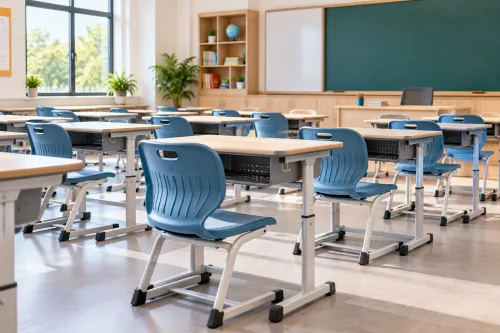
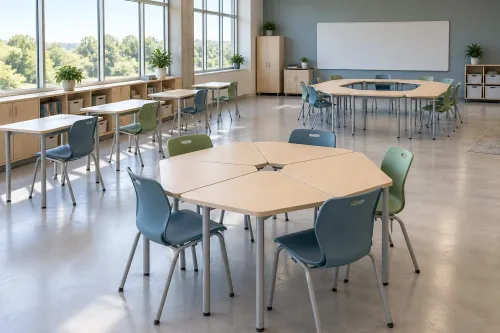
Keep a clear central route from the entrance to the shelves, tables, sink, and exit. Arrange the Montessori classroom layout around this route, using perimeter areas for focused work and leaving an open floor zone for mats, movement, and group lessons. Avoid rows of fixed tables that force children through another child’s work.
| Area | Placement and furniture | Movement safeguard |
|---|---|---|
| Practical life area | Near a sink, with low shelves, washable worktables, and trays for pouring, fastening, or cleaning | Keep water, tools, and wet-floor hazards away from the main route |
| Sensorial area | In a quieter corner with ordered shelves and floor space for large materials | Leave room to carry long cylinders, towers, or mats without striking furniture |
| Language area | Along a low shelf with movable chairs, sound materials, and writing work | Face shelves away from the doorway so browsing does not block arrivals |
| Maths area | Beside language materials, using shallow shelves and tables for manipulatives | Limit displayed sets so children can select and return work without crowding |
| Art area | Near the sink and drying surface, with stable tables and child-reachable supplies | Provide a clear path around wet work and remove trailing cords |
| Reading area | At the quietest edge, with a small rug, low book display, and supportive seating | Keep it outside high-traffic lanes rather than beside the entrance |
Display a finite number of complete activities, each with a defined place. Use stable shelves, rounded edges, and enough clearance for a child to carry a tray or roll a mat without turning sideways. Provide more than one seating height for mixed-age groups, and test every route with the furniture in use.
How shelving and reading spaces support purposeful choice
Show a finite, deliberately sequenced selection of Montessori materials, not the entire stock. Open shelving supports choice when each item is visible, reachable, and easy to return; display only materials matched to the children’s current developmental level. Crowded shelves increase decision fatigue, hide missing pieces, and make orderly replacement less reliable.
Use material rotation to replace completed or unsuitable work rather than adding more storage.
A reading nook becomes self-directed when its design supports the complete reading routine, not merely comfortable sitting:
- Books face outward or stand upright, with covers visible and shelves low enough for children to browse without help.
- The selection is limited and refreshed according to children’s interests, reading ability, and the current classroom focus.
- A child can take one book, carry it safely to the designated spot, read without blocking a walkway, and return it to the same place.
- The space has a firm surface or floor mat, enough elbow room, and seating that keeps feet supported rather than encouraging climbing or lounging.
Attractive seating alone offers none of this structure. A soft chair beside a decorative book display may invite a child to sit, but it does not teach selection, care, or return. Keep the nook outside high-traffic routes and within the adult’s line of sight, then demonstrate its routine before expecting independent use.
How to test, compare, and maintain Montessori furniture
Before approving a purchase, let a child test each item with an adult watching. Ask the child to approach, lift, carry, sit, reach, collect materials, and return them without help. Repeat the trial with children of different sizes; a three-year-old and a six-year-old will not share the same reach range.
Use this furniture selection checklist:
- Check rounded edges, non-pinching hinges, smooth washable surfaces, and feet that rest flat on the floor.
- Drag chairs and tables sideways, load one edge, and test a child leaning or climbing; lightweight furniture that tips fails the test. Confirm educational tables and chairs meet EN 1729-2.
- Measure approach and turning space for wheelchairs and walkers. Accessible classroom furniture must provide the same activity and storage access, not merely a low alternative.
- Inspect open shelving for tipping resistance, anchor points, shelf depth, and storage stability when partly or fully loaded.
- Count visible choices. Overstocked shelves turn purposeful selection into visual noise.
Arko Global can help a buyer compare layouts by requesting scaled drawings that show reach heights, aisle widths, and sightlines before ordering.
| Option | What to compare | Reject when |
|---|---|---|
| Floor work | Transfer space and clear approach | The activity excludes mobility-aid users |
| Low shelf | Reach, depth, and tip resistance | Materials disappear behind deep shelves |
| Adjustable seating | Foot support and secure adjustment | Children need adult-only mechanisms |
Wipe spills promptly, tighten fasteners on a scheduled inspection, and remove damaged edges or loose fittings immediately. Furniture should support the material’s control of error, not add locks or mechanisms that stop children testing their own work.
Related products
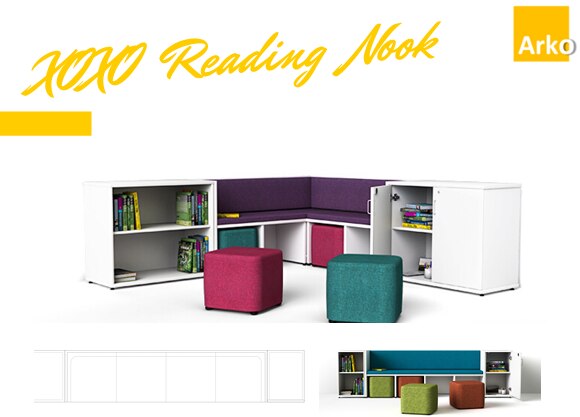 | KINDERGARTEN TABLES The XOXO Reading Nook is the perfect element to include into any classroom that needs a quiet reading space. View product → |
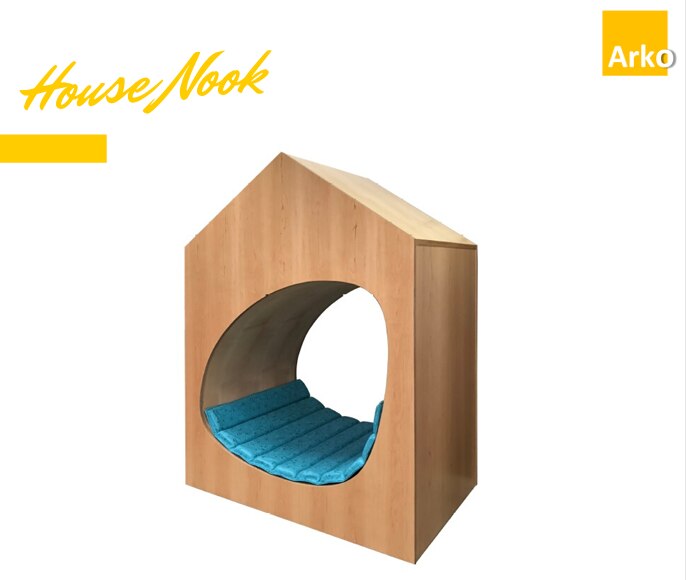 | KINDERGARTEN TABLES A cozy place to read a book alone or with a friend. Colorful fabric an finish options can really brighten up library or school spaces and make it... View product → |
Frequently asked questions
What does independence mean in a Montessori environment?
It means managing a purposeful work cycle: selecting materials, carrying them to a usable surface, completing the task, and returning every piece.
How does furniture size affect Montessori independence?
Children need shelves, tables, chairs, handles, and storage they can reach and operate safely without routinely waiting for an adult.
How should you arrange Montessori learning areas?
Create clear practical-learning, work, reading, and movement areas with open pathways and enough space to carry materials safely.
What should you test when comparing Montessori furniture?
Check child access, stability, proportions, sharp edges, finish, cleanability, repair needs, and whether the furniture supports independent restoration.
Related products
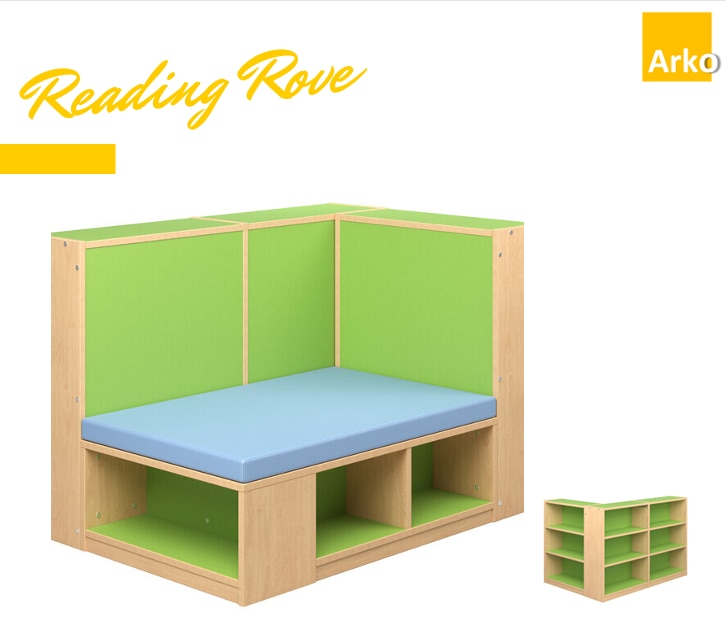 | KINDERGARTEN TABLES After picking out a book, you need to find a comfortable place to enjoy it. View product → |
 | SHAPES / LAYOUTS Arko Global is one of the leading manufacturers of kindergarten shapes and layouts in Bangalore, specializing in creative, safe, and child-friendly... View product → |